
How to Assess Local Concrete Repair Costs
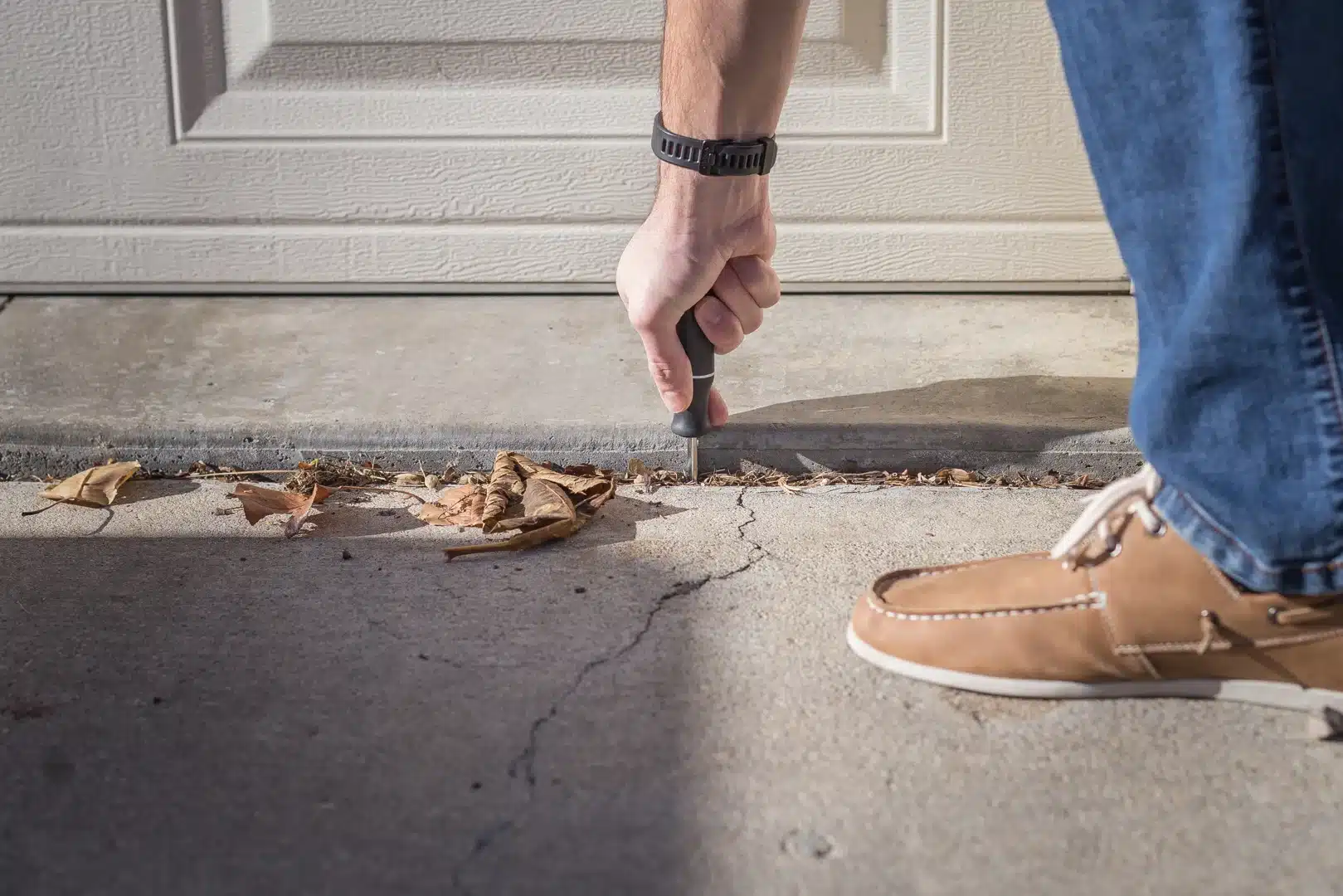
If you’re searching for cement repair near me, check what the concrete is doing before asking for a price. A small crack in a level slab may need sealing. If one section has sunk, creating a trip hazard or a gap between slabs, ask about leveling. For wide cracks, major shifting, or damage near a foundation, get a professional assessment before trying a DIY fix.
For sunken concrete, FoamWorks Concrete Leveling uses foam injection that costs 30% to 50% less than full tear-out and replacement. Most repairs take a few hours, and the surface can be used almost immediately. A free estimate will show what your slab needs and what the repair will cost.
I’m Trey McNamee, owner of FoamWorks Concrete Leveling, serving Northwest Ohio, Southeast Michigan, and Northeast Indiana. My building-materials background and our team’s 30-plus years of combined experience help me explain what to look for when searching for cement repair near me.
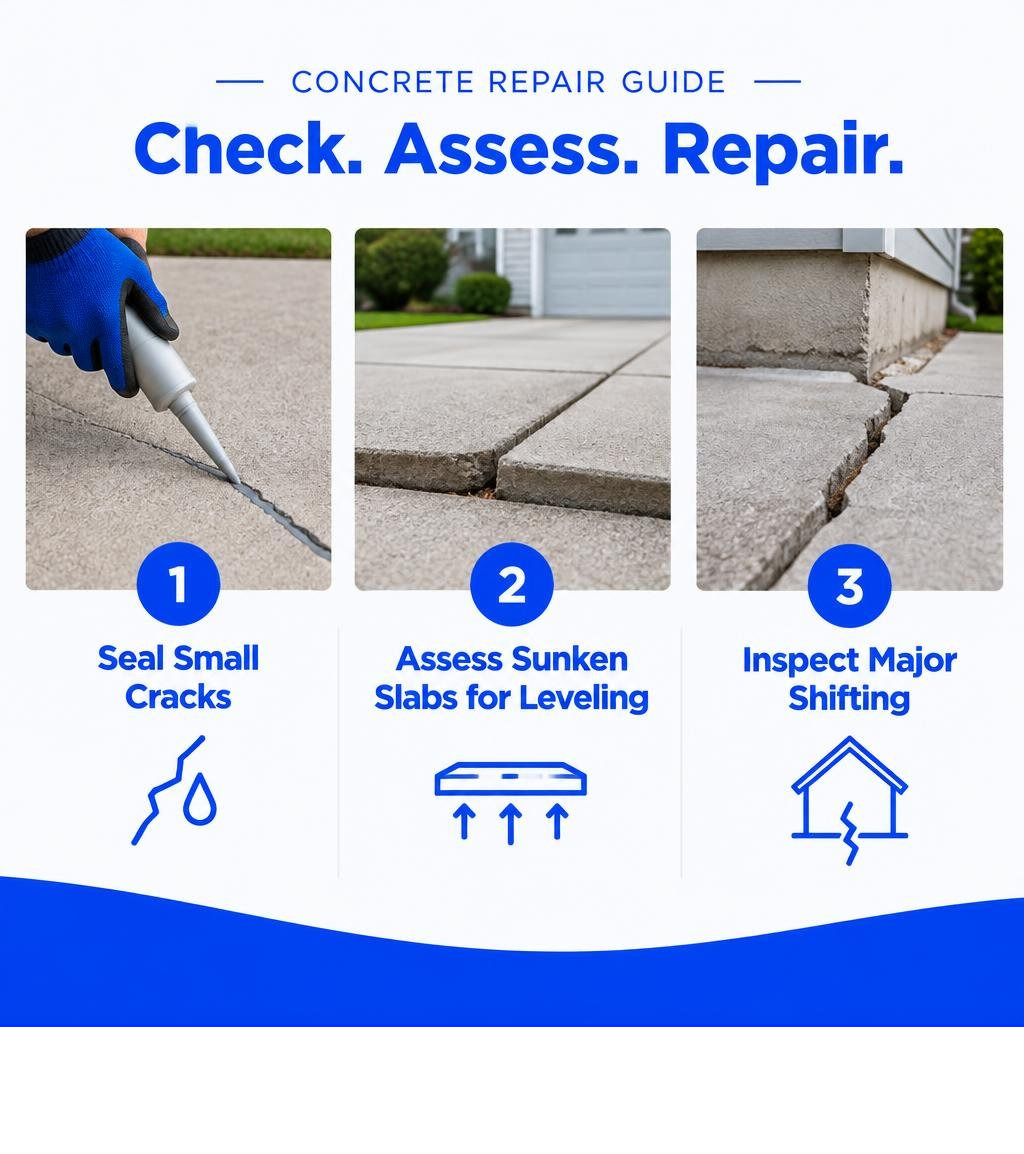
Cement repair near me terms explained:
Diagnosing Common Concrete Problems: Cracks, Sinking, and Spalling

Concrete is remarkably durable, but it is not indestructible. Over time, physical stress, weather fluctuations, and subbase changes take their toll. To find the right repair strategy, you first need to diagnose the specific type of distress affecting your concrete.
Most concrete issues fall into three primary categories:
- Hairline and Shrinkage Cracks: Thin, shallow fissures across the surface that often form during the original curing process. While cosmetically unappealing, they rarely compromise structural integrity if addressed early.
- Sinking or Uneven Slabs: Concrete slabs that drop, tilt, or pull away from adjacent structures, creating pronounced trip hazards and water-pooling zones.
- Spalling and Scaling: Flaking, pitting, or chipping of the top concrete layer, exposing coarse aggregate underneath.
Understanding the underlying causes of concrete failure is critical. Surface issues are often symptoms of deeper physical or environmental stresses. For an exhaustive technical breakdown of concrete degradation mechanics, the Bureau of Reclamation provides an authoritative Guide to Concrete Repair.
Understanding Soil Settlement and Freeze-Thaw Stress
In our regional climate—spanning Northwest Ohio, Southeast Michigan, and Northeast Indiana—soil dynamics and harsh seasonal swings are the leading culprits behind slab movement. Concrete relies entirely on the ground beneath it for structural support. When subbase soil is poorly compacted during initial construction, heavy rainfall or seasonal freeze-thaw cycles cause the soil to consolidate unevenly.
Erosion also plays a massive role. Water from downspouts or natural surface runoff washes away the supporting subgrade, leaving empty voids beneath your driveway, walkway, or patio. When moisture infiltrates the soil and freezes during Midwestern winters, the ground expands upward (frost heave) and then contracts when it thaws. This cyclic motion creates uneven stress patterns that crack the slab. Recognizing early settling concrete slab signs allows you to intervene before simple settlement becomes irreversible structural failure.
Structural Damage vs. Surface Blemishes
Not all damage requires the same response. Minor scaling and hairline crazing are typically superficial blemishes that do not threaten your foundation. However, when you observe wide fissures (greater than a quarter-inch), vertical displacement across fracture lines, or stair-step cracking near structural walls, the slab is undergoing load-bearing failure.
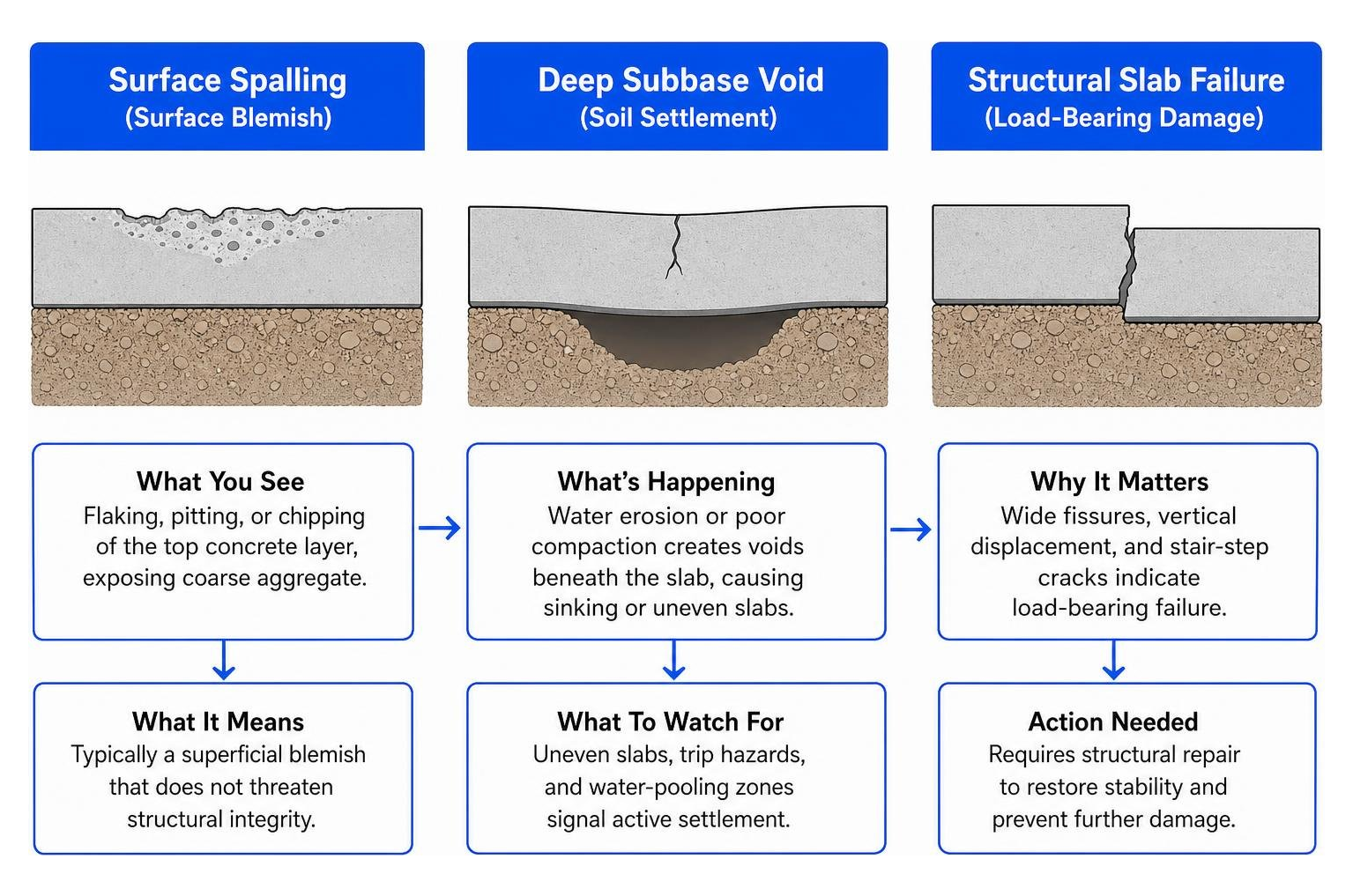
Knowing how to differentiate between aesthetic wear and identifying dangerous cracked concrete protects you from wasting money on temporary topical fixes that simply hide active foundation movement.
Concrete Repair Options and Budgeting
When dealing with failing slabs, homeowners often struggle to decide between DIY caulking, specialized lifting, or complete replacement. Below is a comparison of typical costs, curing timelines, and long-term durability across common restoration options.
| Repair Method | Average Cost Range | Typical Cure Time | Durability Expectation | Best Suited For |
|---|---|---|---|---|
| DIY Crack Caulking | $0.10 to $0.15 per linear ft | 24 to 48 hours | 1 to 3 years | Minor, stable hairline cracks and surface joints |
| Polyurethane Leveling | 30% to 50% less than replacement | 15 to 30 minutes | Decades / Lifetime | Sunken, uneven driveways, walkways, patios, and pool decks |
| Full Concrete Replacement | $6.00 to $14.00 per sq ft | 7 to 28 days | 20 to 30+ years | Completely shattered, crumbling, or pulverized slabs |
Our comprehensive concrete repair services address both the alignment and sealing needs of settling concrete without the massive expense and mess of total reconstruction.
Concrete Repair Cost Breakdown for 2026
As of 2026, national figures show that replacing concrete costs between $6 and $14 per square foot, with a standard two-car driveway replacement averaging between $2,400 and $8,600. Tear-out and site disposal alone add $1 to $6 per square foot to the total bill. Replacing a modest 100-square-foot section runs $600 to $1,400, while full driveway repaving projects easily scale between $1,400 and $12,100 depending on excavation requirements.
In contrast, targeted crack repair can cost just pennies per linear foot in basic materials. However, if the slab beneath those cracks is dropping into an empty void, surface patches will quickly crack again. Understanding when you should be stopping temporary patches when professional repair is needed saves thousands of dollars in redundant, ineffective DIY attempts.
Polyurethane Foam Leveling for Sinking Concrete
For settled slabs, high-density polyurethane injection is the modern gold standard. Rather than drilling large, unsightly holes into your concrete as required by traditional mudjacking, polyurethane leveling uses small, penny-sized injection ports.
We inject a specialized two-part polymer liquid under the slab. As it reacts, it expands into an ultra-strong, lightweight foam that seeks out loose subgrade voids, densifies weak soil, and gently lifts the concrete back to its original grade. Modern polyurethane foam lifting provides high-density support without adding heavy weight to vulnerable soils, ensuring permanent elevation.
Step-by-Step Guide to DIY Minor Concrete Repairs
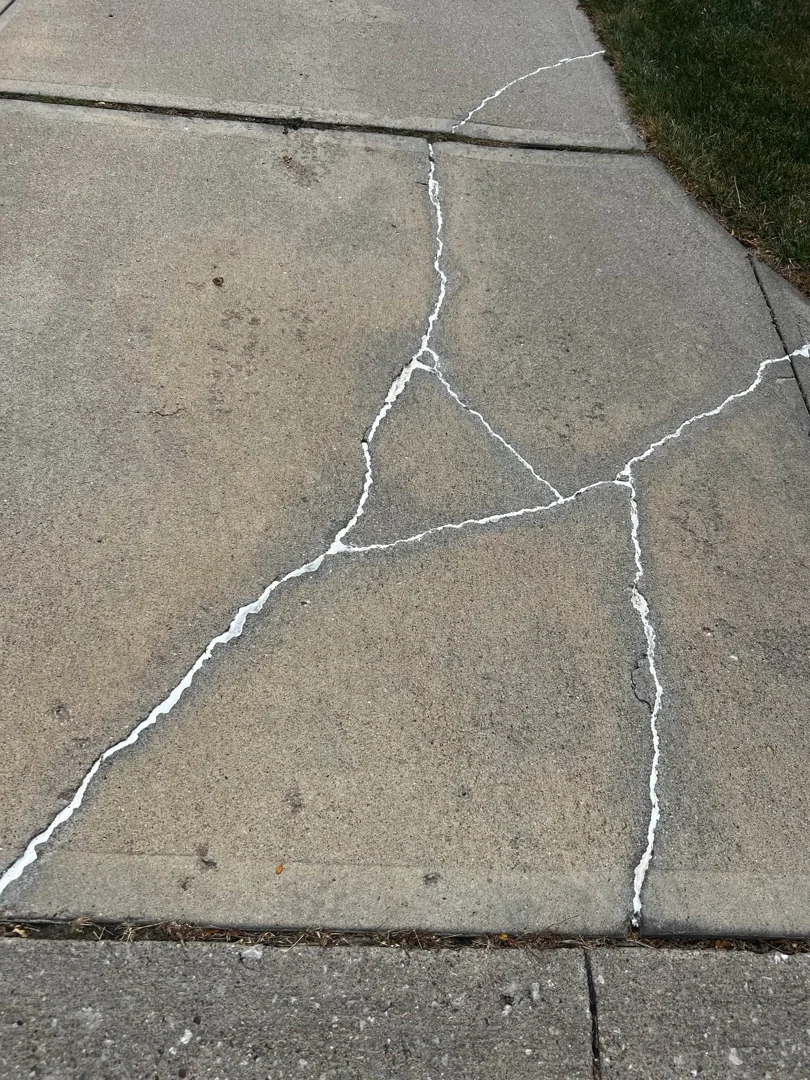
If your concrete is completely level and merely exhibits non-structural hairline cracking, completing a DIY repair can prevent water from entering the subbase and causing freeze-thaw damage. Following proper practices for sealing concrete cracks at home will keep the repair intact through multiple seasons.
Selecting the Right Patching Mix, Sealant, and Resurfacer
Using the right product for the specific type of damage is essential:
- Polyurethane / Silicone Sealants: Highly flexible and self-leveling. Ideal for horizontal joints and cracks that expand and contract with temperature changes.
- Hydraulic Cement: Rapid-setting cement that expands slightly as it hydrates. Sets in 3 to 5 minutes, making it ideal for plugging active water leaks or damp foundation wall cracks.
- Concrete Resurfacers: Polymer-modified cement coatings applied as a thin skim layer to restore worn, spalled surfaces across driveways and patios.
- Commercial-Grade Sealants: Applying a deep-penetrating, long-lasting concrete sealant protects existing slabs against moisture intrusion, road salts, and chemical wear.
How to Prep, Fill, and Seal Cracks Correctly
To execute a lasting repair, follow these systematic steps:
- Safety First: Wear eye protection, heavy work gloves, and a dust mask before chipping or grinding concrete.
- Clean and Undercut the Crack: Use a cold chisel and hammer to remove loose concrete. Undercut the edges slightly into an inverted “V” or backward-angled shape so the patch locks into place.
- Clear Debris Thoroughly: Wire-brush the fissure, vacuum all residual dust, or blow it clear with compressed air.
- Insert Backer Rod: For cracks or control joints deeper than a half-inch, press foam backer rod into the gap, leaving a quarter-inch to a half-inch depth for the sealant.
- Apply Sealant or Patching Mortar: Dispense self-leveling polyurethane caulk evenly into the joint, or trowel your repair mix flush with the surface. Similar simple techniques for lasting cement step repair ensure smooth, durable edges along stairs and curbs.
- Protect and Cure: Keep foot traffic off the area for at least 24 hours.
How to Choose Reliable Cement Repair Near Me Contractors
When your concrete issues extend beyond basic surface maintenance, finding an experienced, local professional is critical. Working with seasoned driveway repair specialists ensures that subbase voids are properly diagnosed and stabilized using industrial equipment.
Look for contractors who carry active general liability and workers’ compensation insurance, maintain an A+ rating with the Better Business Bureau (BBB), and provide clear, upfront written estimates. Always prioritize contractors who offer robust warranty protection on both materials and workmanship.
Key Questions to Ask When Searching for Cement Repair Near Me
Before signing a contract or authorizing work on your property, ask these essential questions:
- How many years of experience do you have with polyurethane foam lifting and foundation leveling?
- Can you provide local project references and verifiable before-and-after photo portfolios?
- What specific methods will you use to resolve my sidewalk trip hazard repair without destroying adjacent landscaping?
- What is your change-order policy if unexpected voids or buried obstacles are encountered?
- Does your quoted price include complete cleanup and disposal of all debris?
Local Permits, 811 Utility Checks, and Code Requirements
Every municipality across Ohio, Michigan, and Indiana maintains specific building regulations. While standard residential repairs (such as crack sealing and slab lifting on private patios or driveways) rarely require municipal permits, alterations within the public right-of-way—such as street approaches and municipal sidewalks—frequently require local permits and inspections.
Furthermore, any project that involves deep soil stabilization or excavation requires a free 811 utility locating call at least two full business days before work begins to avoid underground gas, electric, and communication lines.
When to Stop DIY and Book Professional Concrete Repair
Attempting to patch major structural movement with store-bought caulk is a losing battle. When slabs begin dropping or breaking apart under heavy loads, only specialized lifting or structural stabilization can correct the underlying failure. Our professional concrete repair services address the root causes beneath the slab, eliminating the danger and expense of recurring damage.
Critical Warning Signs of Slab Failure
Call a professional contractor immediately if you notice:
- Stair-Step Cracking: Diagonal stair-step cracks through foundation brickwork or exterior masonry.
- Extreme Slab Pitching: Concrete slabs tilting toward your home’s foundation, directing thousands of gallons of rainwater against basement walls.
- Severe Void Formation: Major washouts under pool decks or garage floors that leave thick slabs suspended in mid-air. Timely sunken pool deck lifting prevents catastrophic structural collapse and expensive liner tearing.
Curing Timelines and Surface Readiness
One of the greatest advantages of modern polyurethane leveling is speed. Unlike new concrete pours that require 7 to 10 days of curing before vehicle access, high-density polymer foam achieves full structural load-bearing capacity in roughly 15 to 30 minutes. You can walk and drive on your leveled driveway on the very same day the repair is completed.
Frequently Asked Questions About Local Concrete Repair
How long does concrete repair take before I can drive on it?
Polyurethane foam lifting cures within 15 to 30 minutes, allowing immediate drive-on capability. Minor crack sealants require 24 to 48 hours of curing before facing vehicle weight, while brand-new concrete replacements require 7 to 10 days before standard vehicle use and up to 28 days for full design strength.
What affects the longevity of polyurethane concrete lifting?
Polyurethane foam is completely hydrophobic, meaning it will not wash away, degrade, or dissolve in wet soils. Because our injection ports are small (roughly 5/8-inch) and the foam creates a solid, moisture-resistant barrier beneath the slab, a professionally completed foam lift can last for decades—often outliving the concrete slab itself.
Do I need a building permit for residential concrete repair?
Private residential leveling and minor surface patching rarely require municipal permits. However, if your repair involves concrete in the public right-of-way (such as municipal sidewalk slabs, street aprons, or structural foundation modifications), local building permits are often mandatory. Reputable contractors manage these local code verifications on your behalf.
Conclusion
Ignoring cracked, uneven, or sinking concrete only leads to steeper repair bills down the road. Left untreated, minor hairline cracks turn into major water-intrusion channels, washing out subgrade soils and creating severe trip hazards and structural foundation risks.
At FoamWorks Concrete Leveling, we bring more than 30 years of combined experience to every job, delivering fast, non-invasive polyurethane foam injection that lifts and restores sunken concrete for 30% to 50% less than the cost of full replacement. Backed by our lifetime warranty and 100% customer satisfaction commitment, our team proudly serves homeowners throughout Northwest Ohio, Southeast Michigan, and Northeast Indiana.
Don’t let damaged concrete compromise your home’s safety and curb appeal. Schedule a free estimate today to discover how our comprehensive concrete repair solutions can restore your property quickly and affordably.