
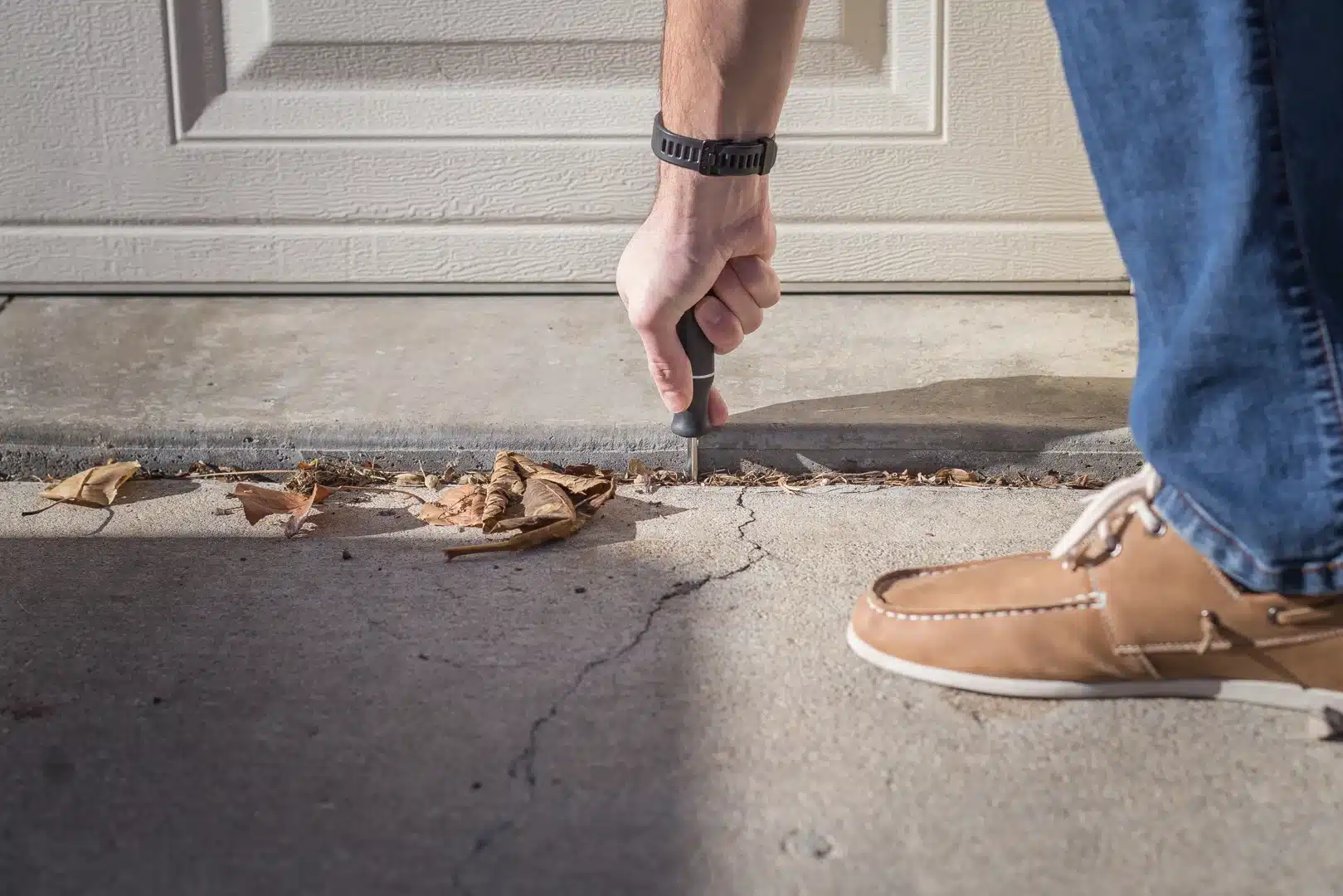
Start With the Right Foundation Crack Repair Near Me
For foundation crack repair near me, start by finding out whether the crack is leaking, growing, or linked to movement elsewhere in the home. Hairline vertical cracks may be from normal concrete shrinkage, but horizontal, diagonal, wide, or spreading cracks need a professional inspection – especially if you also notice water seepage, bowing walls, uneven floors, or sticking doors and windows.
Use this quick first check:
- Take photos and measure the crack before cleaning or covering it.
- Watch for water after rain or snowmelt. A crack that leaks needs sealing and water management.
- Look for movement signs such as offset concrete, widening gaps, or a bowed wall.
- Get a local evaluation before choosing a repair. Polyurethane injection can seal active leaks, while epoxy, carbon fiber, wall reinforcement, or foundation stabilization may be needed for structural damage.
Foundation cracks often start with shrinking concrete, shifting soil, poor drainage, frost movement, or changing moisture levels. In Northwest Ohio, Southeast Michigan, and Northeast Indiana, seasonal moisture and freeze-thaw cycles can put added stress on concrete and allow water into basements or crawl spaces. Fixing the visible crack matters, but addressing the water or soil condition behind it helps prevent the problem from returning. For broader context on how concrete behaves under stress, the Concrete overview from Wikipedia explains curing, shrinkage, and structural properties.
I am Trey McNamee, owner of FoamWorks Concrete Leveling, with more than two decades of experience in building-materials strategy and product development, plus a team with over 30 years of combined concrete-repair experience. This guide will help you compare foundation crack repair near me options and recognize when fast foam-injection leveling, crack sealing, or a more involved structural repair is the right next step.
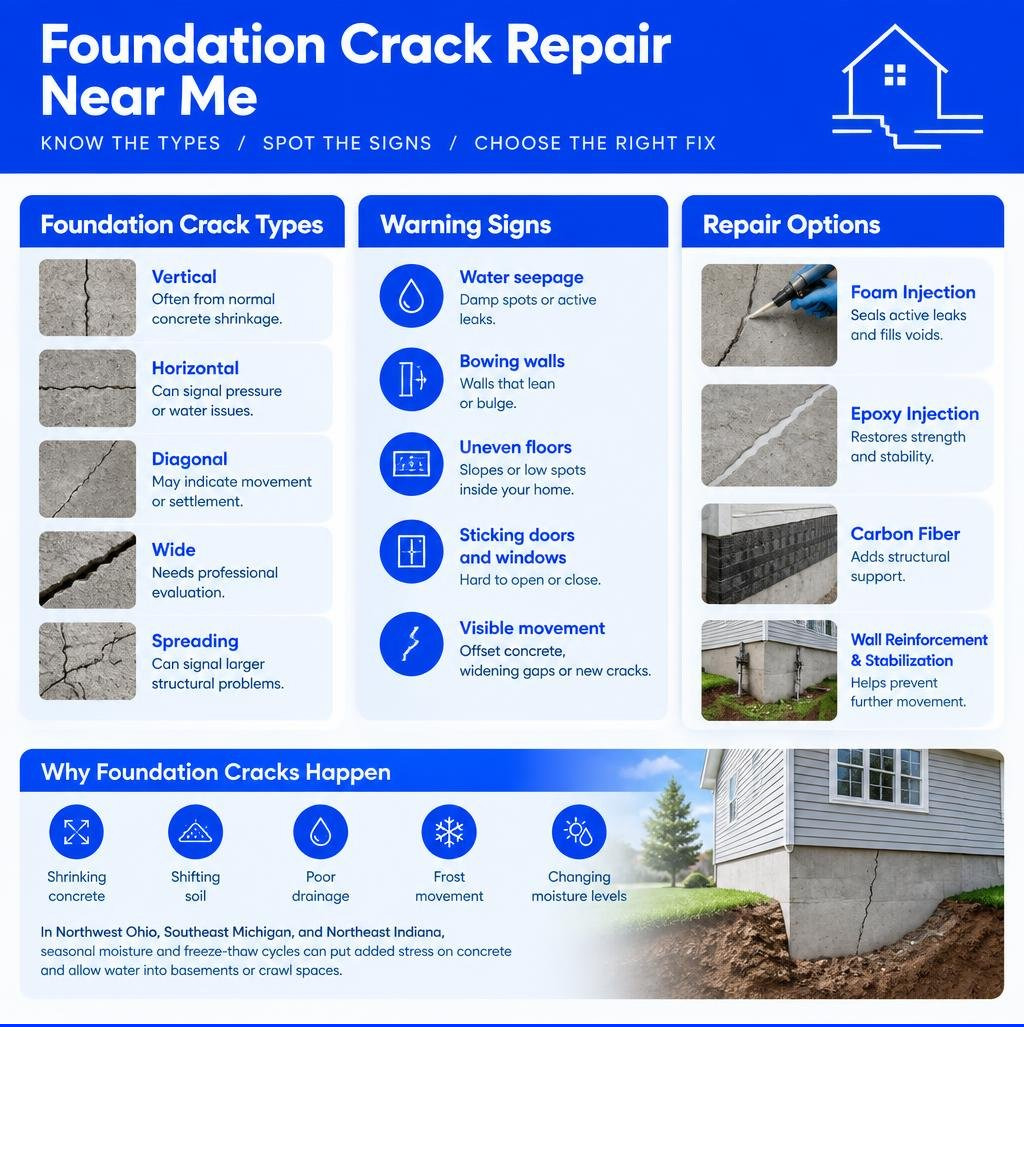
Simple guide to foundation crack repair near me terms:
Identifying Foundation Damage: Structural vs. Cosmetic Cracks
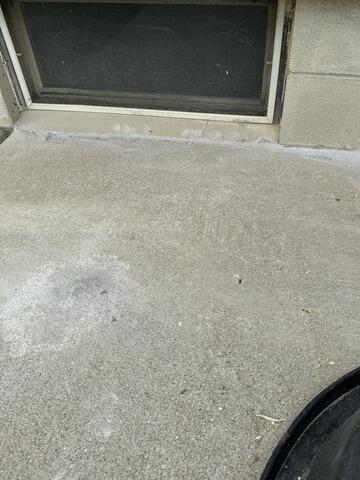
Nearly a quarter-million homeowners face sinking foundations, cracked or buckled walls, and uneven floors each year. When you find a fracture along your basement wall or slab floor, the first question is always: Is this a harmless surface flaw, or is the house trying to tell me something serious?
Every foundation experiences settling and pressure, but not all cracks carry the same risk. Learning the difference between surface shrinkage and deeper structural compromise helps you choose the right fix and avoid unnecessary panic. Hydrostatic pressure from saturated surrounding soils, fluctuating moisture tables, and changing seasons exert significant lateral force on basement walls. Identifying how and why a crack formed will point directly to the best residential foundation repair solutions.
Non-Structural Shrinkage Cracks
During initial construction, concrete naturally loses moisture as it cures. If it dries quickly, minor shrinkage cracks develop.
- Orientation: Typically vertical or slightly diagonal.
- Width: Usually narrow (hairline to less than 1/8 inch wide).
- Behavior: These fractures rarely threaten structural stability, though they can allow water seepage or radon gas to penetrate your lower living space.
- Location: Frequently found running down the middle third of poured concrete walls or radiating from basement window corners.
While non-structural, these gaps should not be ignored. Water intrusion through shrinkage cracks can damage drywall, soak carpeting, and encourage mold colonies if left unsealed.
Warning Signs of Structural Failure
Structural cracks indicate that exterior soil movement, frost heave, or heavy lateral loads are compromising your foundation walls or footing support.
Key red flags include:
- Horizontal Cracking: A horizontal line along a poured concrete or block wall usually indicates severe lateral earth pressure pushing inward.
- Stair-Step Cracks: Common in cinderblock and masonry foundations, stair-step cracks through mortar joints indicate uneven settlement or ground movement.
- Wall Inward Deflection (Bowing): If a wall bulges inward toward the center, the structural integrity of the wall is actively failing.
- Secondary Interior Symptoms: Sticking doors, windows that jam in their frames, sloping or bouncy floors, and diagonal cracks in drywall above doorframes upstairs.
| Crack Characteristic | Cosmetic / Shrinkage Crack | Structural Foundation Crack |
|---|---|---|
| Direction | Vertical or slight diagonal | Horizontal, stair-step, or wide diagonal |
| Crack Width | Hairline to under 1/8 inch | 1/4 inch or wider; expanding over time |
| Wall Alignment | Flat and plumb across fracture | Sheared, offset, or bowing inward |
| Water Intrusion | Possible dampness or minor seepage | Active leaking, standing water, or mud |
| Secondary Signs | None in upper living spaces | Sticking doors, uneven floors, drywall tears |
| Primary Risk | Moisture, humidity, and radon entry | Wall collapse, floor collapse, severe settlement |
Proven Methods for Sealing and Repairing Foundation Cracks
Once you understand whether a crack is structural or cosmetic, you can select the correct sealing and stabilization method. Applying a basic surface caulk rarely works because changes in moisture and temperature will break a surface-only bond. Lasting repairs require addressing the full depth of the wall or the void beneath the slab.
Whether you need targeted crawl space repair to reinforce floor joists or specialized concrete repair to restore broken slabs, modern expanding polymers and structural reinforcements deliver reliable, long-term performance.
Polyurethane Foam and Hydrofoam Injection
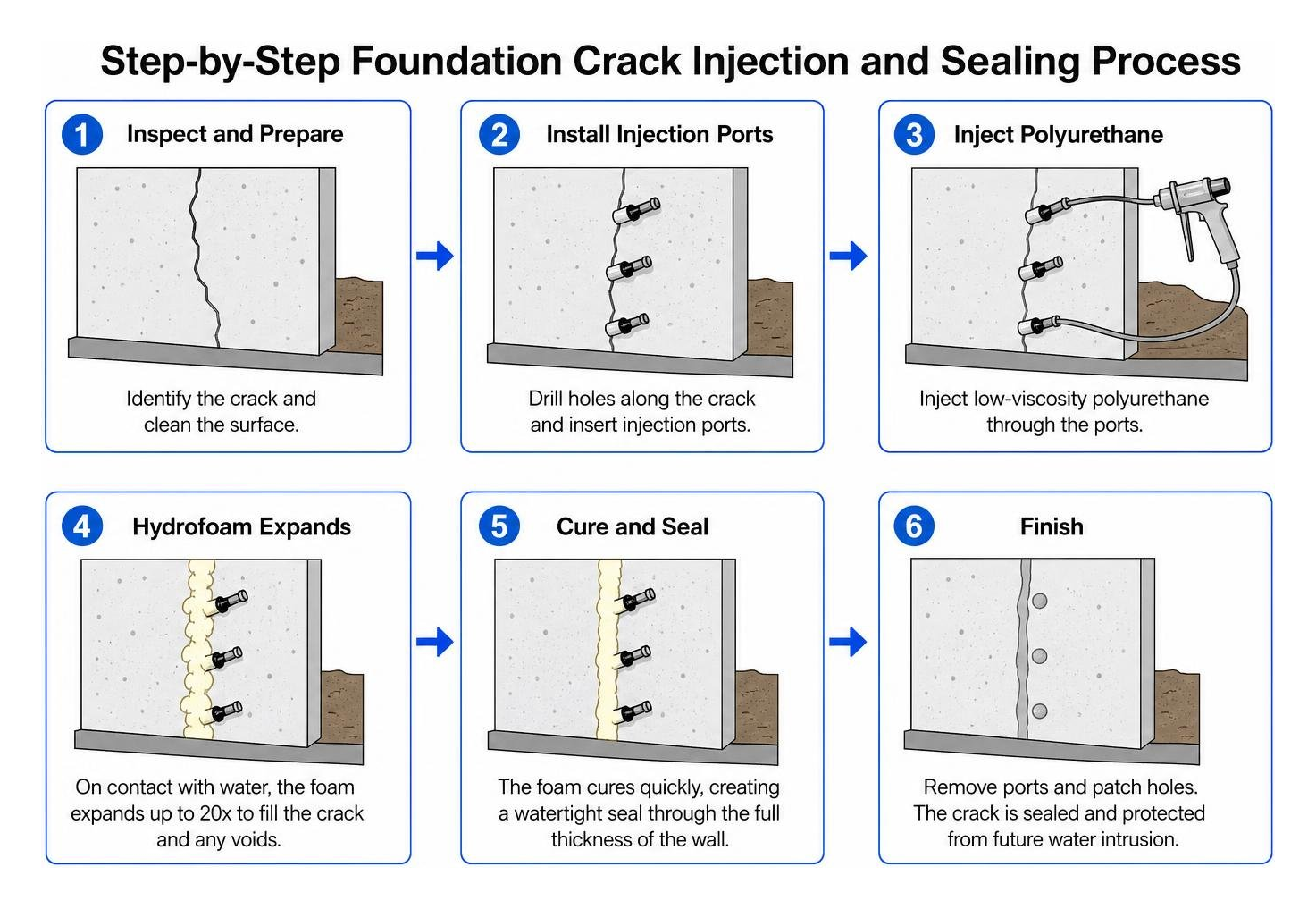
Polyurethane foam injection is the industry standard for sealing leaking, non-structural foundation cracks in poured concrete. Unlike rigid surface patches, low-viscosity liquid polyurethane is injected directly through specialized ports along the fracture.
When the polymer contacts water or a catalyst, it undergoes hydrofoam expansion, expanding up to 20 times its original volume. This fills the crack through the entire thickness of the concrete wall, all the way to the exterior soil barrier.
- Watertight Seal: Remains flexible, expanding and contracting with seasonal temperature shifts without tearing or opening back up.
- Rapid Cure Time: Hydrofoam sets and seals in under an hour, stopping active water leaks on contact.
- Void Filling: Fills hidden voids inside the concrete matrix to block incoming moisture pathways.
For sinking slabs, driveways, and interior basement floors, our high-density foam foundation repair lifts and stabilizes sunken concrete safely without messy excavation.
Foam Injection and Concrete Crack Sealing
Using high-grade expanding polymers for concrete crack sealing stops water at its entry point while supporting minor concrete movement. Liquid resins migrate into micro-fissures along the main crack, creating a dense, closed-cell barrier that keeps moisture out permanently.
For non-structural cracks, this flexible seal protects against hydrostatic pressure while accommodating subtle thermal shifts.
Interior vs. Exterior Foundation Crack Waterproofing
Deciding between interior and exterior repair depends on your home’s accessibility, finished spaces, and landscaping.
- Interior Crack Injection:
- Advantages: Completed from inside the basement or crawl space without digging up landscaping, decks, or porches. Fast, cost-effective, and highly reliable for poured concrete.
- Best Suited For: Leaking vertical cracks, shrinkage fissures, and accessible unfinished basement walls.
- Exterior Crack Sealing:
- Advantages: Stops water before it ever enters the concrete wall by exposing the foundation down to the footer, applying an elastomeric waterproofing membrane, and installing protective drainage board.
- Best Suited For: Finished basements where interior access is fully blocked by framing, or block foundations where hollow cores prevent clean interior resin injection.
Finding Foundation Crack Repair Near Me: Step-by-Step Selection Guide
Finding the right repair specialist means choosing someone who understands local soil mechanics, freeze-thaw patterns, and seasonal water tables. In Northwest Ohio, Southeast Michigan, and Northeast Indiana, heavy clay soils shrink during dry spells and expand aggressively when wet. This cyclical soil pressure requires repair solutions tailored specifically to regional conditions, whether you need crack injection or whole-home foundation leveling near me.
Assessing Costs for Foundation Crack Repair Near Me
Foundation repair pricing depends on crack length, repair method, structural severity, and site accessibility. FoamWorks Concrete Leveling uses polyurethane foam injection to repair sunken or uneven concrete for 30% to 50% less than full tear-out and replacement, helping homeowners save significantly on repair costs.
Most repairs are completed in just a few hours, and the surface can be used almost immediately. Because there is no need for heavy excavation, the process also reduces landscape damage, labor costs, debris removal, and disposal fees that come with replacing concrete. We provide free estimates to see how much you can save, and you can reference our slab foundation repair playbook to plan your project with confidence.
Choosing a Certified Local Specialist vs. National Franchises
When comparing contractors, consider the benefits of working with an experienced local specialist rather than a large national chain:
- Local Ownership & Direct Communication: You communicate directly with experienced decision-makers and technicians who live and work in your area, not an out-of-state call center.
- Regional Soil Expertise: Local contractors are familiar with regional soil varieties—from lake-bed clays to loose sandy loams—and know how regional weather affects local foundations.
- Accountability & Warranties: A transferable lifetime warranty backed by a family-owned business with decades of regional service ensures your investment remains protected over time.
Timeline, Costs, and Project Execution
Proper execution follows a structured, clean process designed to restore your foundation with minimal disruption. Depending on whether your project involves crack sealing, structural bracing, or specialized slab leveling techniques, standardizing each step ensures dependable results that support overall foundation repair methods.
What to Expect During Foundation Crack Repair Near Me
- Diagnostic Inspection: The technician reviews the crack’s length, width, moisture level, and structural impact, checking for underlying settlement across the slab or footer.
- Surface Prep & Port Placement: The surface of the crack is cleaned of loose debris. Injection ports are installed at set intervals along the crack line, and a surface cap is applied to seal the face.
- Material Injection: Expanding polyurethane foam or high-strength epoxy is pumped under controlled pressure into each port, filling the crack from bottom to top until material flows through the wall thickness.
- Port Removal & Cleanup: Once cured, the injection ports and surface seal are removed flush with the wall, leaving a clean, watertight concrete surface.
- Post-Repair Monitoring: The repaired area is inspected to confirm a complete seal.
Execution Timelines and Lifetime Warranties
A typical non-structural crack injection takes between 40 and 90 minutes per fracture. Because modern polyurethane foams cure rapidly without messy excavation, most repair projects are finished within a single morning or afternoon.
Investing in prompt, professional crack repair protects property values and keeps home sales on track. Transferable lifetime warranties protect your repair, giving buyers peace of mind that your home’s foundation is dry and stable.
Frequently Asked Questions About Foundation Cracks
Can foundation cracks cause serious basement water leaks?
Yes. Unsealed foundation cracks are one of the most common paths for water intrusion in basements and crawl spaces. When soil surrounding your home becomes saturated from rainfall or snowmelt, hydrostatic pressure builds up against exterior walls. Water finds the path of least resistance—flowing directly through hairline fissures and joint separations. Left unsealed, this moisture leads to mold growth, damaged insulation, ruined finished basements, and elevated indoor humidity.
How quickly should foundation cracks be repaired?
Foundation cracks should be evaluated and sealed as soon as they are discovered. Even if a crack appears small and dry today, seasonal rain, frost heave, and soil movement will expand the opening over time. Addressing cracks early prevents water leaks, stops mold before it starts, and keeps routine maintenance from turning into an expensive structural repair.
Does high-density polyurethane work for sinking slab foundations?
Yes. High-density polyurethane foam injection is one of the most effective, minimally invasive methods for stabilizing and leveling sinking concrete slabs. Technicians drill small penny-sized holes through the sunken slab and inject expanding polymers underneath. The foam expands to fill subterranean voids, compacts loose soil, and gently lifts the slab back to its proper grade within minutes, without damaging surrounding landscaping.
Conclusion
Foundation cracks can be stressful, but they do not have to disrupt your life or drain your budget. Identifying whether a fracture is cosmetic or structural allows you to take prompt, targeted action. With modern hydrofoam injection and high-density polymer leveling, restoring your concrete is faster, cleaner, and more affordable than ever.
FoamWorks Concrete Leveling provides dependable crack repair, concrete leveling, and moisture protection backed by a lifetime warranty, 30+ years of combined experience, and a commitment to 100% customer satisfaction. If you are dealing with cracked walls, sunken slabs, or water leaks, contact our team today for a free estimate and discover how our professional interior slab leveling services can restore strength and stability to your home.