
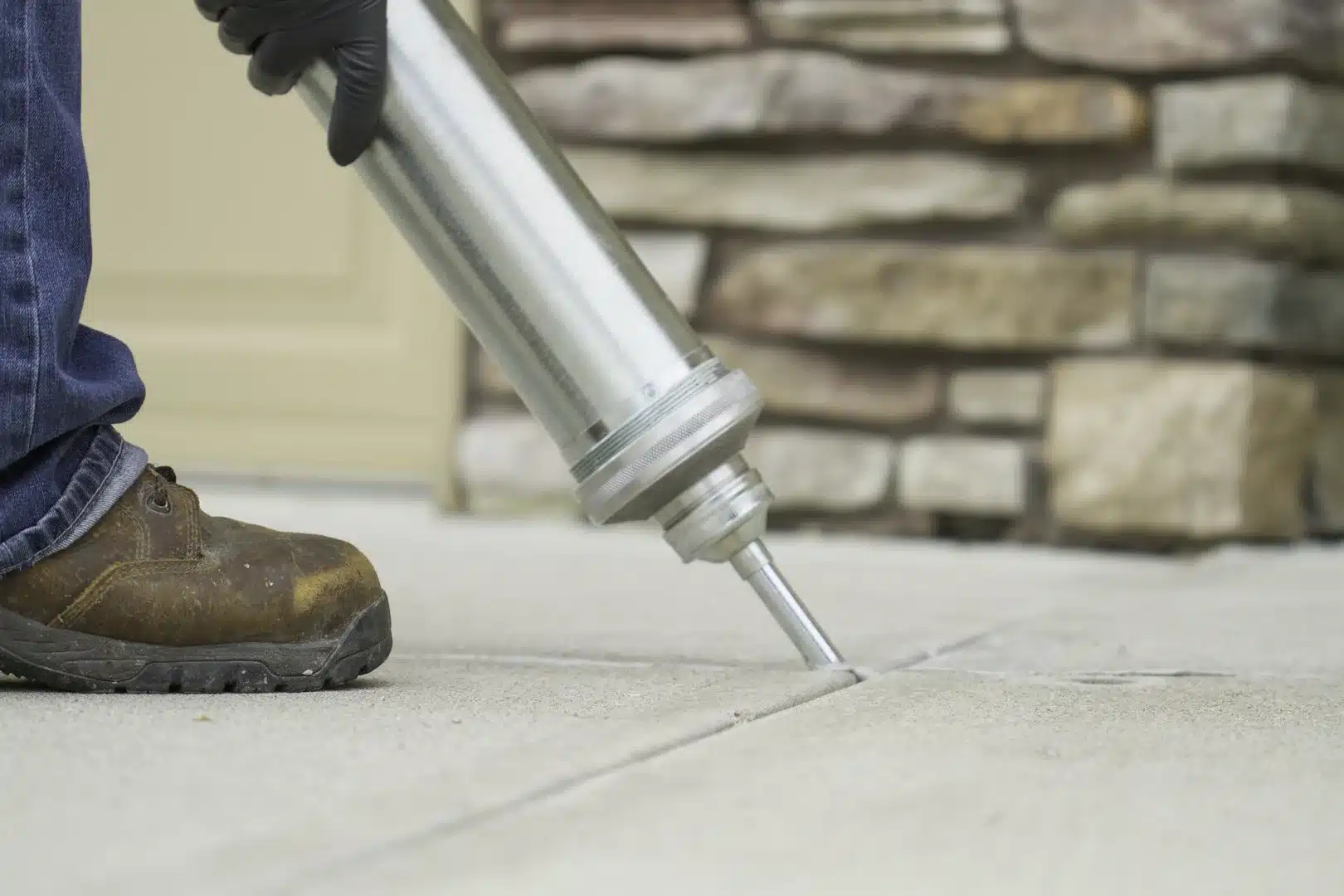
Is NexusPro Concrete Joint Sealant Worth It?
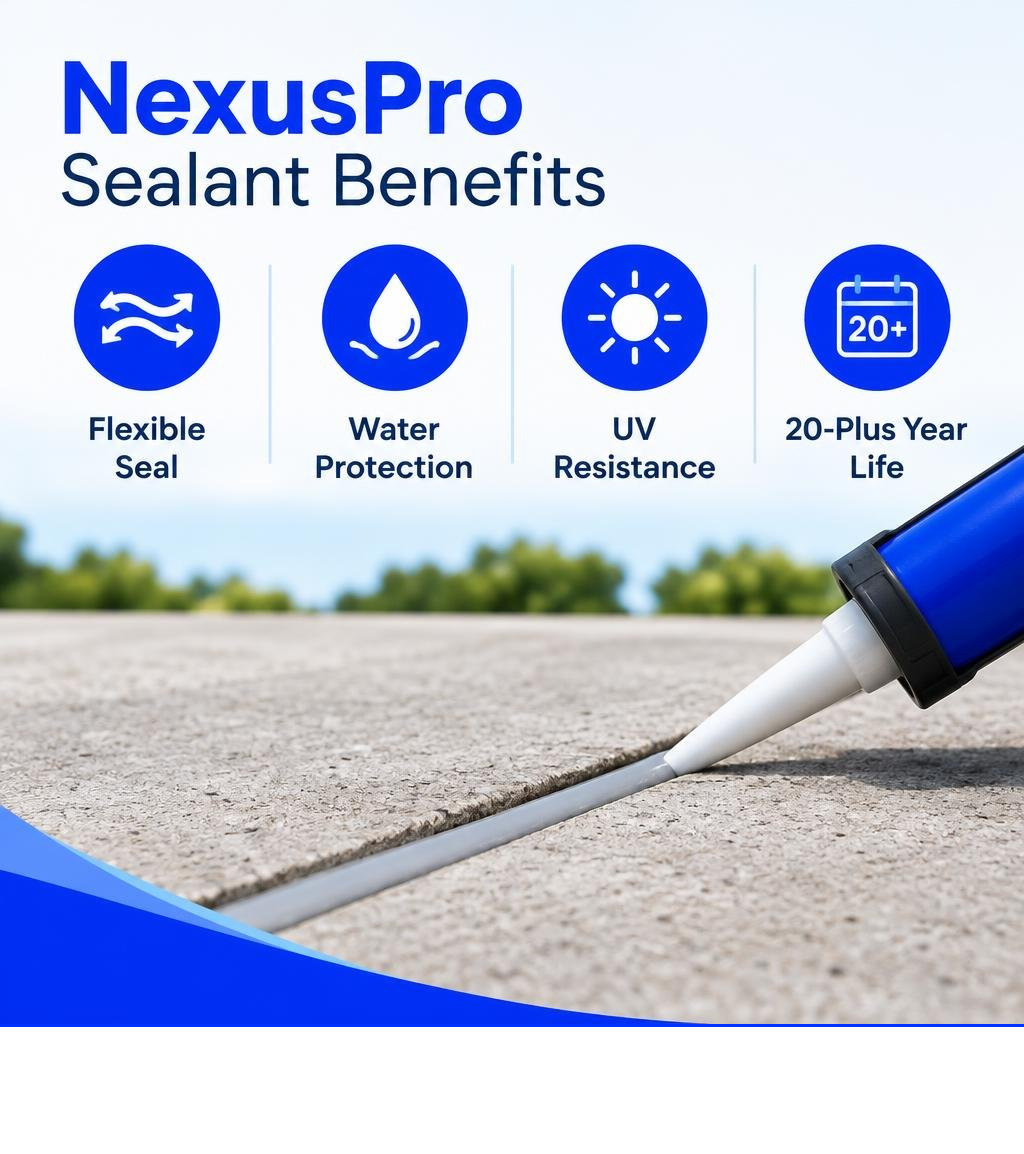
NexusPro concrete joint sealant is a high-performance silicone sealant for concrete joints and cracks. It is designed to stay flexible, block water, resist UV exposure, and last more than 20 years – over twice as long as many traditional urethane-based sealants. For driveways, sidewalks, patios, garage slabs, and pool decks, it can help stop water from reaching the soil beneath the slab.
That matters because open or failed joints let rain and melting snow wash out supporting soil. Over time, that loss of support can lead to voids, cracking, settling, and uneven concrete. NexusPro is a strong preventive repair, but it does not lift a slab that has already sunk. Settled concrete may need leveling first, followed by joint sealing to help protect the repair.
This review explains where NexusPro performs well, how it compares with polyurethane caulk, what affects its real-world lifespan, and why surface preparation matters – especially through Ohio, Michigan, and Indiana freeze-thaw seasons.
I am Trey McNamee, owner of FoamWorks Concrete Leveling, with more than two decades of experience in building-material strategy and product development. At FoamWorks, our team applies that experience to concrete leveling, crack repair, and NexusPro concrete joint sealant work that helps homeowners protect concrete from water-driven damage.
Related content about nexus pro concrete joint sealant:
Comprehensive Nexus Pro Concrete Joint Sealant Review: Formula and Advantages
When evaluating how to protect outdoor slabs from long-term wear, homeowners frequently run into the limitations of standard hardware store caulking. Most store-bought caulks use basic acrylic or standard polyurethane chemistry. While these materials create a temporary plug in a joint, they struggle under the harsh outdoor conditions common across Northwest Ohio, Southeast Michigan, and Northeast Indiana.
NexusPro concrete joint sealant takes a different chemical approach. Engineered specifically as a premium, silicone-based compound, it delivers a waterproof barrier that remains permanently elastic across extreme temperature swings. Concrete is not static; it expands in the hot summer sun and contracts during freezing winter spells. If a joint sealant cannot stretch and compress alongside the concrete slabs, it pulls away from the joint sidewalls or splits down the middle.

NexusPro creates high-strength chemical adhesion to the porous concrete substrate. This bond seals off joint channels and surface fissures entirely. By protecting expansion joints and cracks against moisture penetration, the system shields the ground underneath from erosion and settlement.
Why Nexus Pro Concrete Joint Sealant Outlasts Traditional Polyurethane Caulks
The standard lifespan of traditional urethane caulk is roughly 5 to 10 years under ideal circumstances. In the Midwest, heavy UV radiation during summer and harsh winter freezes often shorten that window to just 3 to 5 years before the material dries out, hardens, or tears.
NexusPro is proven to last over 20 years—more than twice as long as traditional urethane-based sealants. The primary driver behind this longevity is silicone chemistry:
- UV Stability: Polyurethane breaks down under ultraviolet light, which causes the caulk to turn brittle, crack, bubble, or yellow. Silicone is chemically inert to UV radiation, retaining its original color and physical structure indefinitely.
- Continuous Elasticity: Urethane caulks harden as they age, losing their ability to accommodate joint movement. NexusPro stays pliable for decades without hardening or losing its grip on the slab sidewalls.
- Temperature Resistance: Silicone formulas tolerate intense heat and sub-zero temperatures without tearing or pulling free from the joint edges.
How Flexible Joint Sealants Prevent Soil Erosion and Slab Settlement
Most catastrophic concrete failures do not begin in the concrete slab itself—they start in the dirt underneath it. Whenever rain falls or snow melts, open control joints act as funnels, directing runoff straight down into the sub-base.
As moisture flows underneath the slab, it erodes the supporting soil and washes away fine granular material. This process creates subterranean voids. Deprived of a solid foundation, heavy slabs crack under their own weight or sink under vehicle loads. Understanding the underlying causes of concrete sinking and shifting shows why joint maintenance is vital. Sealing control joints and surface cracks cuts off water entry, keeps the sub-base dry and stable, and protects your driveway, patio, and walkways from settling.
Performance in Extreme Weather and Freeze-Thaw Climates
In regions like Toledo, Ann Arbor, Fort Wayne, and Sandusky, freeze-thaw cycles present a major challenge for exterior concrete. When water enters unsealed joints and drops below freezing, it expands by approximately 9%. This expansion creates hydraulic pressure inside the joint, spalling the concrete edges and widening the gap—a process known as ice wedging.
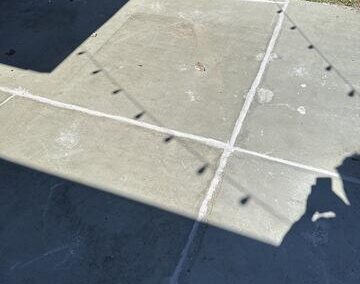
NexusPro remains elastic in sub-zero conditions, stretching as cold concrete contracts and compressing as warm weather returns. Because it blocks water from settling in the joint cavity, it prevents ice wedging entirely.
| Performance Feature | NexusPro Silicone Sealant | Standard Polyurethane Caulk |
|---|---|---|
| Expected Lifespan | 20+ Years | 3–7 Years |
| UV Resistance | Complete (Will not dry out, bubble, or yellow) | Moderate to Poor (Degrades under direct sunlight) |
| Cure Time | Rapid (Dries in a fraction of the time) | Slow (Often 24–72 hours) |
| Freeze-Thaw Flexibility | Retains high elasticity below 0°F | Becomes stiff and brittle in freezing temps |
| Adhesion Longevity | High chemical bond to concrete pores | Vulnerable to adhesive failure over time |
Long-Term UV Resistance and Weathering Protection
Midwestern summers subject driveways and pool decks to intense sunlight and surface temperatures that can exceed 120°F. Under these conditions, standard organic sealants break down through photo-oxidation. You can easily spot failing caulk: it turns chalky, develops surface cracks, changes color, and pulls away from the concrete.
Silicone is an inorganic polymer that resists UV degradation. It does not bubble or dry-rot, preserving a clean, uniform joint line season after season.
Application Process, Drying Time, and Surface Suitability
Proper surface preparation is necessary for any joint sealant to perform as designed. Applying high-grade sealant over dirt, old decaying caulk, or standing moisture compromises adhesion.
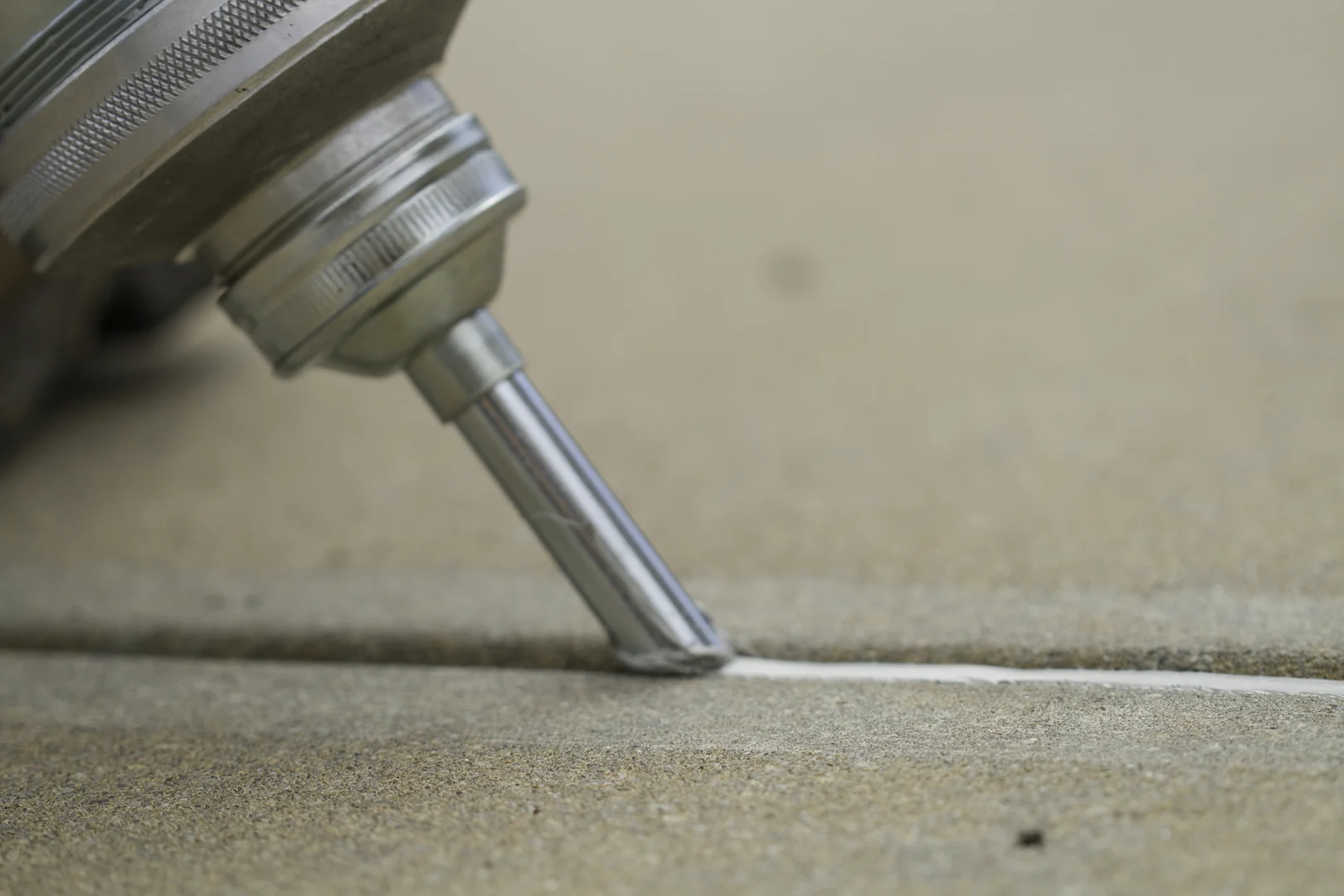
Our professional installation process follows four structured steps:
- Joint Clearing and Cleaning: We remove old failed caulk, dirt, weeds, and loose debris using specialized joint prep equipment, leaving the concrete sidewalls clean and porous.
- Backer Rod Installation: For deep joints, we install closed-cell foam backer rods. This controls sealant depth and ensures two-point adhesion against the joint sidewalls rather than the joint floor.
- Precision Sealant Injection: NexusPro is evenly pumped into the joint channel using professional dispensing equipment, ensuring complete coverage without voids or air pockets.
- Tooling and Finish: The sealant is smoothly tooled to sit just beneath the concrete surface, protecting it from snowplow blades, vehicle tires, and foot traffic.
Drying time is a fraction of that needed for traditional urethane-based caulking products. While many urethane products take 24 to 72 hours to cure—leaving plenty of time for leaves, bugs, rain, and pets to ruin the finish—NexusPro cures rapidly, protecting your joints in a matter of hours.
Homeowners can review our guide on understanding caulking versus surface sealing to see how flexible joint caulking pairs with broad surface protection to keep slabs in top condition. NexusPro is ideal for:
- Driveways and Approaches: Keeps heavy vehicle slabs protected from runoff and base washout.
- Sidewalks and Walkways: Eliminates tripping hazards caused by uneven joint erosion.
- Patios and Pool Decks: Provides a smooth, waterproof seal that resists pool chemicals and sunlight.
- Garage Slabs: Blocks road salt, water, and automotive fluids from entering floor joints.
Cost Breakdown: Nexus Pro Concrete Joint Sealant vs. Off-the-Shelf Sealants
Off-the-shelf retail caulks typically cost between $8 and $15 per tube at local hardware stores. While that seems budget-friendly up front, self-installing retail sealants often requires buying backer rods, foam guns, scrapers, and cleaning chemicals. More importantly, DIY caulks often fail within 2 to 5 years, requiring repeated scraping, re-prepping, and re-sealing.
Investing in a professional NexusPro installation delivers a lower total cost of ownership. Backed by a 20+ year expected lifespan, you eliminate the recurring cycle of buying replacement tubes and spending weekends cleaning out degraded caulk.
When concrete slabs have already settled, pairing joint sealing with foam leveling is the most cost-effective path forward. FoamWorks Concrete Leveling uses polyurethane foam injection to repair sunken or uneven concrete for 30% to 50% less than full tear-out and replacement, helping homeowners save significantly on repair costs. Most repairs are completed in just a few hours, and the surface can be used almost immediately. Because there’s no need for heavy excavation, the process also reduces landscape damage, labor costs, debris removal, and disposal fees that come with replacing concrete. We provide free estimates to see how much you can save.
Frequently Asked Questions About Concrete Joint Protection
How fast does NexusPro cure compared to traditional polyurethane sealants?
NexusPro cures in a fraction of the time required by standard polyurethane sealants. Many urethanes require 24 to 72 hours to cure, during which rain, debris, or foot traffic can damage the seal. NexusPro sets up quickly, becoming rain-ready and capable of handling traffic shortly after installation.
What concrete surfaces are best suited for NexusPro application?
NexusPro works on nearly all exterior and interior concrete slabs, including residential driveways, garage floors, pool decks, walkways, and patios. It adheres to standard brushed concrete, decorative stamped concrete, and exposed aggregate surfaces.
Can joint sealing fix concrete slabs that have already settled?
No, joint sealant alone cannot lift sunken concrete. Sealants are designed to bridge gaps and block moisture, not lift heavy slabs. If a driveway or walkway has settled or become uneven, it should first be lifted and stabilized using high-density polyurethane foam. Once the slabs are restored to their proper grade, NexusPro is installed to seal the joints and prevent future soil erosion.
Conclusion
Joint sealing is one of the most effective ways to preserve exterior concrete. Unsealed joints allow water to infiltrate the sub-base, washing away soil and leading to cracked, settled slabs.
Standard polyurethane caulks provide short-term protection before breaking down under UV exposure and freeze-thaw cycles. With its silicone chemistry, rapid curing, and 20+ year lifespan, NexusPro delivers long-term durability for residential concrete.
At FoamWorks Concrete Leveling, we combine decades of experience with proven repair materials to keep your concrete level, safe, and protected. If your slabs show signs of cracking, settlement, or failing joint seals, contact our team for professional cracked concrete repair and joint sealing and schedule your free estimate today.